
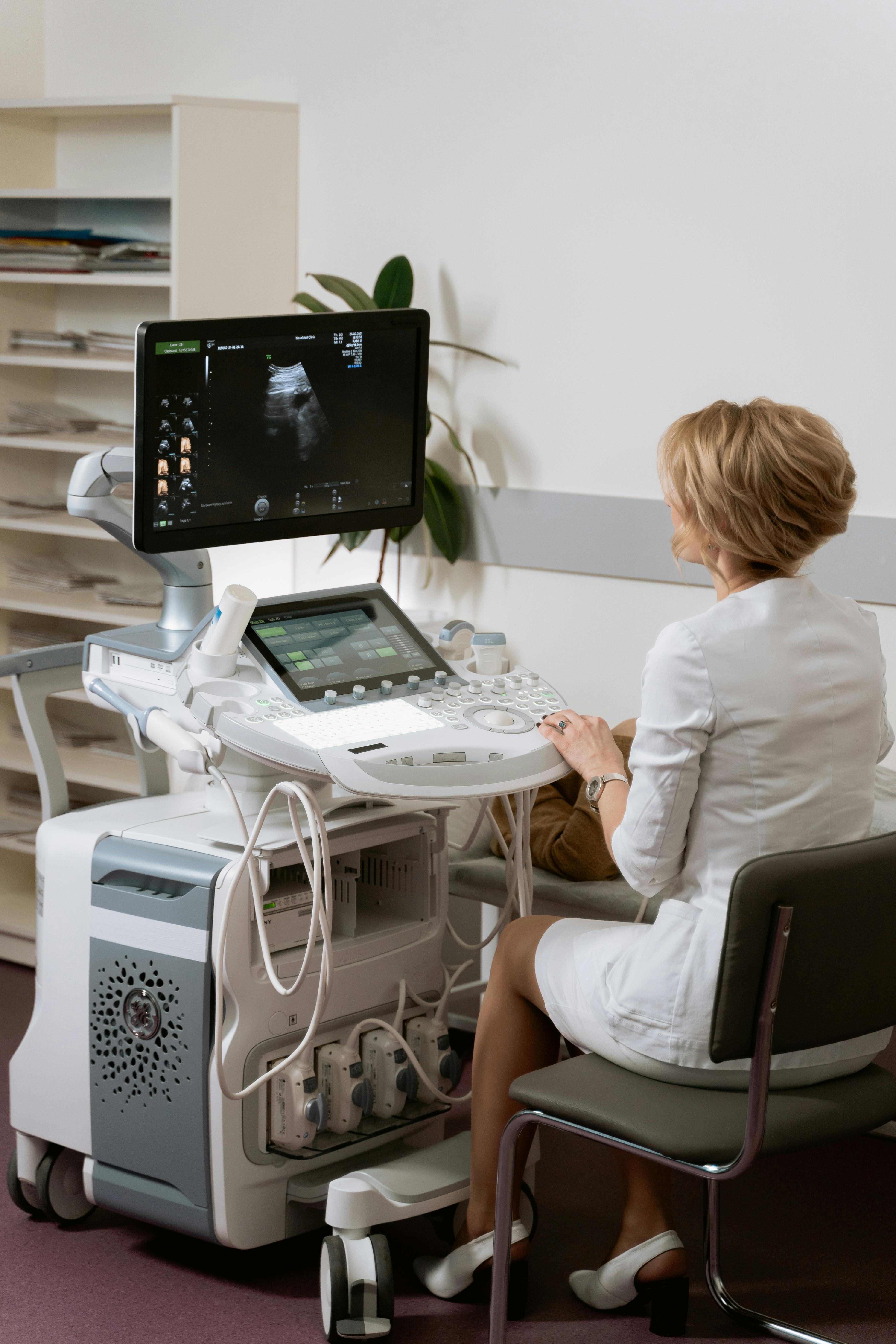
Why Heat-Dependent Stability Loss Often Signals a Repairable Ultrasound Hardware Margin Problem
When a system behaves well cold and worse after running, that pattern deserves respect. Thermal sensitivity is one of the clearest clues that a hardware margin problem is developing somewhere in the platform. It may not mean catastrophic damage yet, but it often means the machine is operating closer to failure thresholds than it should.
Recommended replacement option: JEDI HV TANK VASC SPARE by GE Healthcare
What this failure pattern usually looks like
The machine starts normally, scans normally, and may even pass a short check. Later, image quality drifts, controls behave less consistently, or the system becomes more likely to pause, freeze, or lose stability under regular workload.
Why the visible symptom can mislead engineers
Because warm-up takes time, teams often blame software randomness or user workflow instead of hardware sensitivity. But repeatable heat-linked degradation usually means a board, connector, fan path, or power layer is reacting to temperature rather than failing at random.
What to inspect first
Compare cold behavior with behavior after sustained use. Check whether the symptom correlates with internal load, scan duration, or room conditions. Narrow down whether the drift follows one module, one probe path, or the overall machine.
Why earlier correction matters
Thermal-margin faults rarely become cheaper with time. Catching them before they turn into outright no-start or hard-fail conditions preserves a clearer repair path and reduces repeated downtime.