
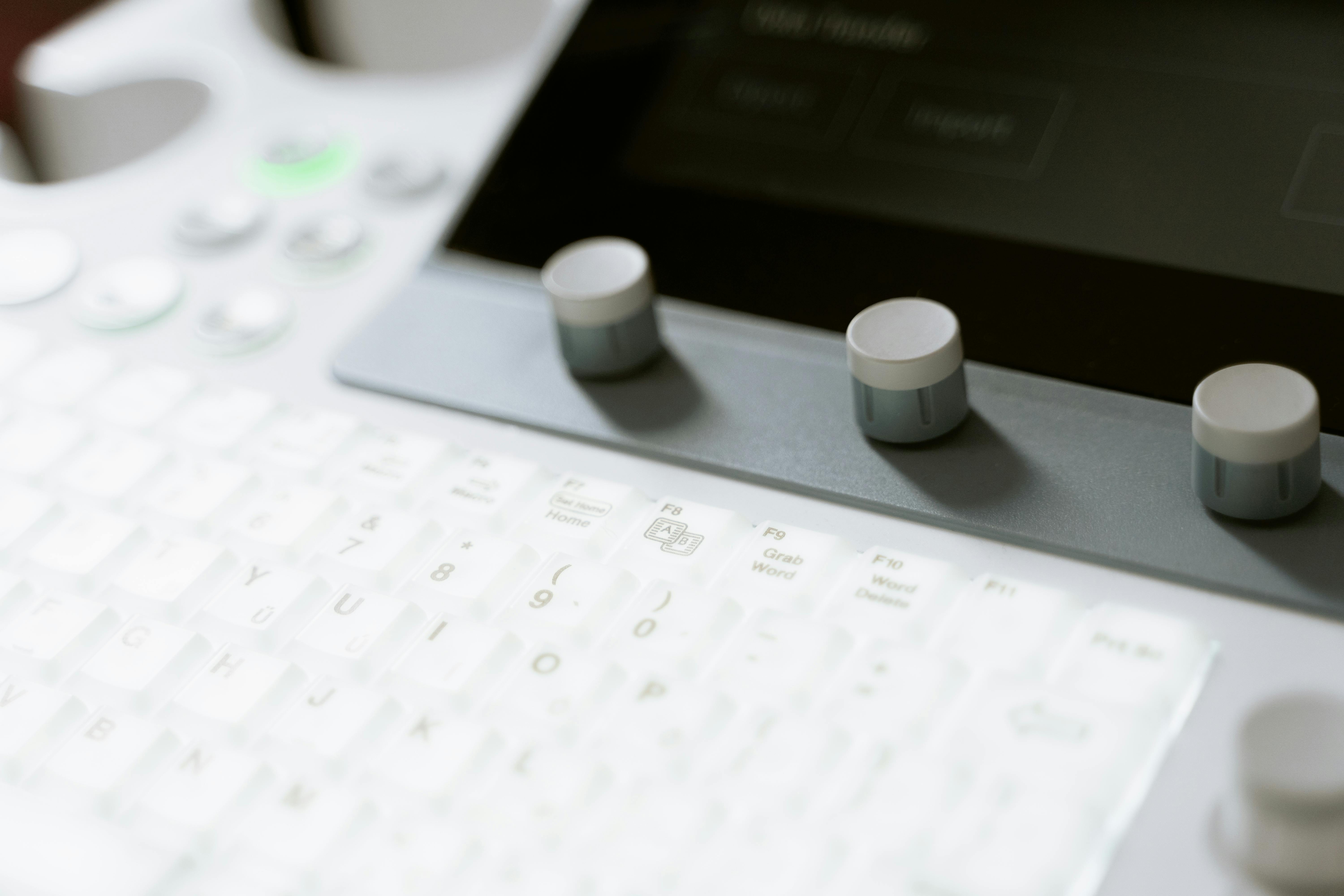
When an ultrasound machine begins responding unevenly during repeated parameter changes, engineers often suspect the support layer behind the console first. In many cases, the rotary-control path itself is already wearing down and is creating symptoms that look much larger than the real fault. This is especially common when the machine still boots normally and only begins feeling unreliable once the operator starts making real adjustments.
That is why rotary-control fatigue wastes so much field time. The visible symptom is inconsistent response, but the machine is not fully dead. One turn registers correctly. The next feels delayed. Another overreacts or behaves unevenly. Because the pattern sits between “works” and “broken,” teams can spend too long testing deeper sections before the control path itself gets enough attention.
Recommended replacement option: FRU REMOTE BOX OMEGA by GE Healthcare
What this failure pattern usually looks like
A common pattern is that gain, depth, focus, or menu navigation becomes inconsistent during repeated rotary actions. The problem may feel minor at first, especially if straight button presses still work normally. But over time the operator starts noticing that the machine no longer feels predictably responsive during ordinary workflow changes.
Why the symptom often gets blamed on deeper boards
Once visible response becomes uneven, it is easy to assume the issue must be somewhere in the interface logic or support boards behind the panel. But if the behavior is closely tied to repeated knob or dial actions, the control hardware itself deserves to move much higher on the suspect list. A tired rotary path can imitate larger system hesitation without the deeper logic being the real starting point.
What to inspect first
Check whether the symptom clusters around one rotary action, whether it worsens after repeated use, and whether nearby connector movement or warm runtime changes the pattern. If the machine is most unreliable during repeated adjustment behavior rather than general idle use, the control-side mechanism should be inspected before a deeper board swap is assumed.
Why earlier replacement saves labor
Once rotary fatigue starts affecting routine operation, teams lose time debating whether the machine has a software issue, a console timing issue, or a broader support failure. Replacing the unstable control-side path earlier often prevents a much wider diagnostic loop.