
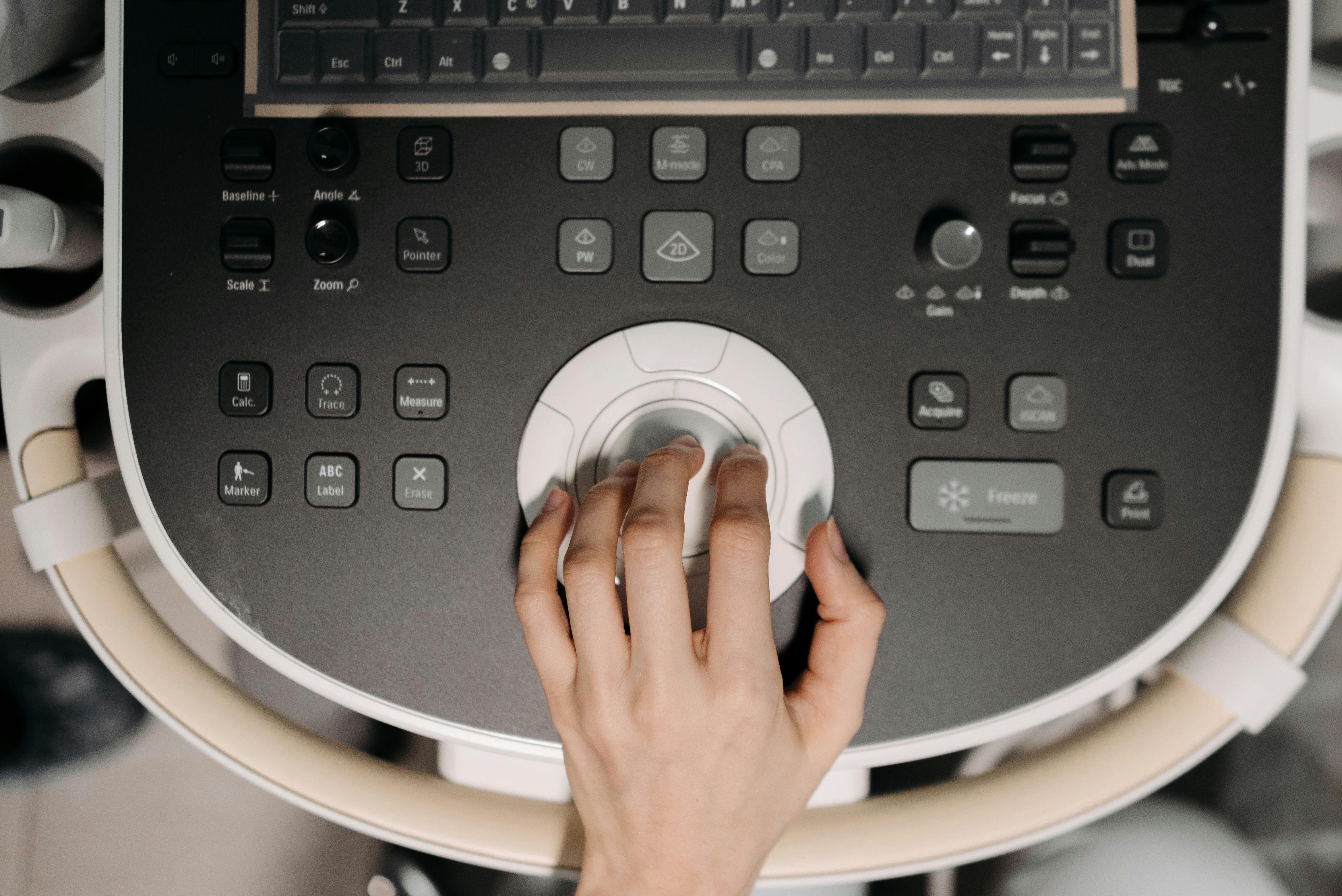
When an ultrasound system overheats only after a longer bedside session, the failure can look random at first. The machine may pass a cold startup, handle a short check without complaint, and still begin slowing down, alarming, or destabilizing once the session length extends under real clinical use.
That timing matters because it changes the diagnosis. A system that survives a short bench test can still be carrying a thermal weakness that only appears after sustained runtime, repeated scanning, tighter room conditions, or reduced airflow around the machine in bedside environments.
Recommended replacement option: JEDI HV TANK VASC SPARE by GE Healthcare
What this failure pattern usually looks like
A common pattern is that the machine works normally at the beginning of the day or after a reboot, then becomes hotter, louder, slower, or less stable as scan time accumulates. In some cases, warning states appear late in the session and disappear again after cooldown, which makes the issue easy to misread as temporary stress instead of a repeatable thermal problem.
Why bedside use exposes it faster
Bedside workflows often mean less ideal ventilation, longer continuous operation, and more demanding placement conditions than a short workshop test. Machines may run closer to walls, carts, linens, or constrained spaces that reduce airflow. Once internal heat rises and remains trapped, weak cooling performance, dust buildup, marginal fans, or aging thermal paths become much harder to hide.
What to inspect first
Check whether the symptom follows elapsed runtime, tighter placement, blocked vents, or warmer operating conditions. Listen for fan behavior changes, inspect airflow paths, and compare cold-start stability with late-session stability. If the machine consistently becomes unreliable only after thermal buildup, the cooling path and heat-sensitive support hardware should move much higher on the checklist.
Why earlier correction saves time
Thermal faults waste labor because quick checks keep clearing the machine. Engineers restart, retest, and hand it back only to see the same issue return during longer real use. Solving the airflow or heat-sensitive hardware problem earlier is usually cheaper than repeating short validation cycles that never reproduce the actual bedside operating window.