
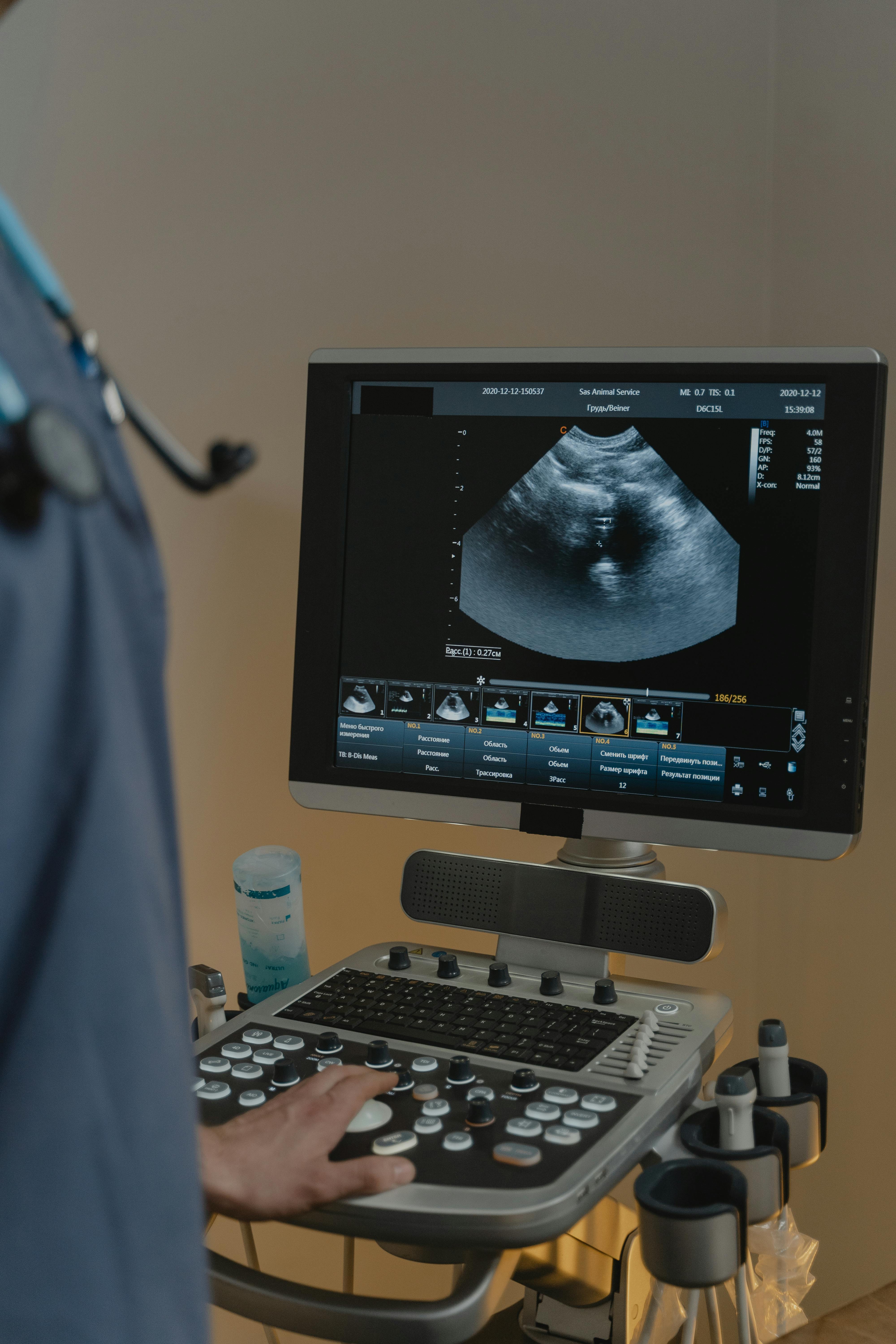
Why Temporary Recovery After Restart Can Still Point to a Serviceable Hardware Weakness
A system that comes back after restart is easy to misread as mostly healthy. In service work, that conclusion is often backwards. Temporary recovery is frequently one of the clearest signs that a real hardware weakness exists but only becomes visible after runtime conditions shift. Thermal change, marginal power behavior, aging components, or unstable interfaces may all stay quiet during a cold start and then reappear after the machine has been operating for a while.
Recommended replacement option: JEDI HV TANK VASC SPARE by GE Healthcare
What this failure pattern usually looks like
The machine locks, drifts, loses image quality, or behaves inconsistently under use. After a power cycle, it works again for a period of time before the symptom returns. Sometimes the recovery window is short; sometimes it lasts long enough to create false confidence.
Why the visible symptom can mislead engineers
The restart itself creates the illusion of correction. Users and even technicians may conclude that the issue was operator error, temporary software confusion, or a random event. But reproducible post-restart improvement often means the system is leaving one condition and re-entering another less stable state as it warms up or accumulates load.
What to inspect first
Start by timing the symptom. How long after restart does the problem return? Does it come back faster under scanning load, repeated input, or higher system activity? Then compare behavior across probes, ports, and modes to decide whether the problem is local to one path or part of a broader system instability.
Why earlier correction matters
Marginal runtime-sensitive faults usually get more expensive when ignored. They create repeated downtime, ambiguous service reports, and unnecessary part swaps. Investigating them while the recovery pattern is still readable gives a much better chance of isolating the real failing layer.